Baking Back in Time: A Practical Guide to Recreating the Recipes You Only Remember by Heart
There's a particular kind of grief that comes with realizing a recipe is gone. Not just the dish — the person. Maybe it was your grandmother's sweet potato pie that showed up at every Thanksgiving, or your great-aunt's coffee cake that materialized every Sunday morning without fail. You ate it dozens of times. You loved it completely. And you never once thought to ask how it was made.
Now you're standing in your kitchen, decades later, trying to rebuild something from memory, smell, and feeling. It sounds impossible. It isn't — but it takes patience, a willingness to fail, and a different kind of detective work than most of us are used to.
Start With What You Actually Remember
Before you touch a measuring cup or preheat an oven, sit down and write. Not a recipe — just memories. What did it look like? What was the texture? Was the crust flaky or crumbly? Did the cake have a tight crumb or a loose one? Was it sweet in a light way or a rich, heavy way? Did it have a particular smell while it was baking — spiced, buttery, yeasty?
Go deeper. What time of year did she make it? What occasions? What did the kitchen look like when it came out of the oven? Sometimes the surrounding details unlock ingredient memories you didn't know you had stored.
Also think about the era and region. A woman baking in rural Georgia in the 1950s was working with different pantry staples than someone in Chicago in the 1970s. Shortening was more common than butter in many mid-century American kitchens. Cake flour was a standard purchase. Self-rising flour was practically its own food group in the South. These regional and generational patterns can tell you a lot about what might have gone into a dish.
Talk to Everyone Who Might Know Anything
Family memory is distributed. You might not remember much, but your aunt remembers the color of the batter. Your cousin remembers that she always used a specific brand of extract. Your mom remembers that she made it in a particular pan — and that pan size matters more than people realize.
Call people. Text people. Post in family group chats. Ask specific questions: Did she use canned or fresh fruit? Did the dough rest in the fridge? Did she use a stand mixer or mix by hand? Was there a step that seemed unusual or that she mentioned specifically?
Also check old community cookbooks. Church cookbooks, school fundraiser collections, and local Junior League compilations from the '50s through the '80s are goldmines of regional American baking. If your grandmother's recipe came from her community, there's a decent chance a version of it exists in one of these books. Thrift stores, eBay, and local library sales are great places to find them.
Use Flavor Memory as a Starting Point
Flavor memory is surprisingly reliable, even when ingredient memory isn't. The brain stores taste and smell experiences differently than factual information — which is why a single bite of something can transport you instantly to a specific moment in childhood.
Use this. Find similar recipes from reliable sources and taste-test them. Notice what's close and what's off. Too sweet? Not sweet enough? Wrong texture entirely? These reactions are data points. You're essentially triangulating toward the original by process of elimination.
If you remember that her pound cake had a slightly tangy quality, that's a clue — she might have used sour cream or buttermilk. If her cookies had an unusual chewiness, she may have used bread flour instead of all-purpose, or added an extra yolk. If the pie filling was thicker than most, she likely used cornstarch rather than flour as a thickener.
Flavor clues map to technique and ingredient choices in ways that are learnable. The more you bake and the more you pay attention, the better you get at reading these signals.
Build a Testing Framework
Here's where the real work happens. Once you have a working hypothesis — a base recipe that feels like a reasonable starting point — commit to testing it systematically.
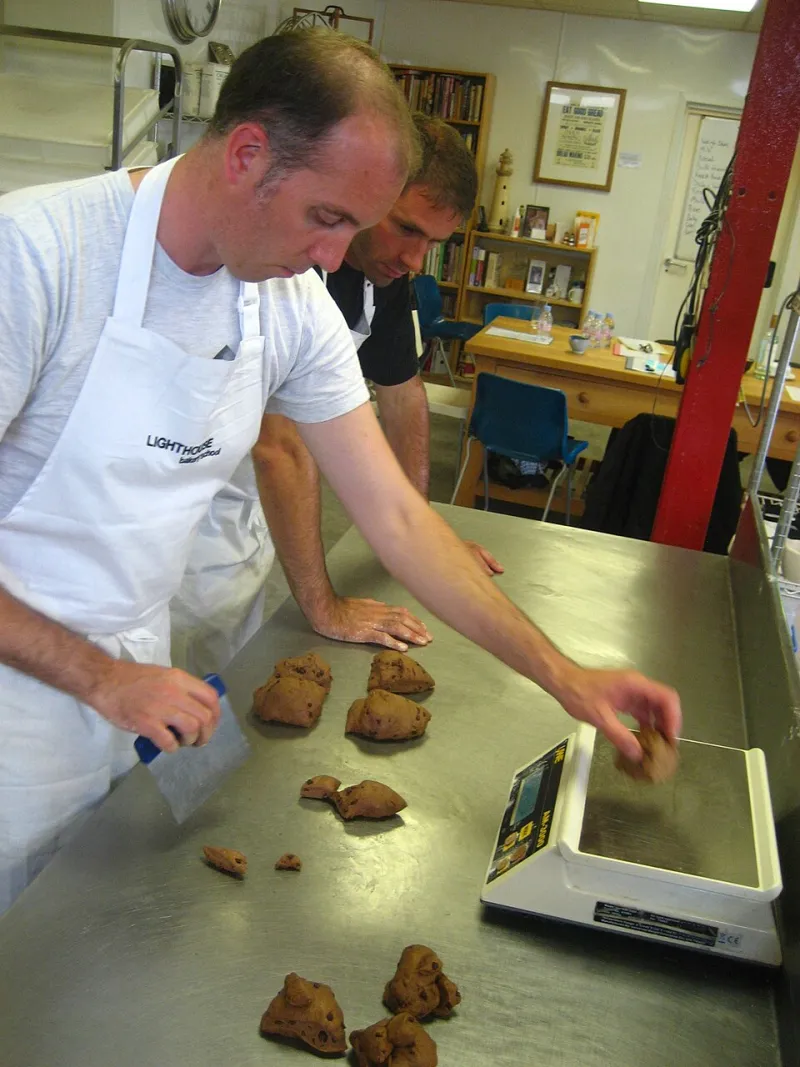
Change one variable at a time. If you're not sure whether she used butter or shortening, make two small batches side by side. Taste them. Compare them to your memory. Then move to the next variable.
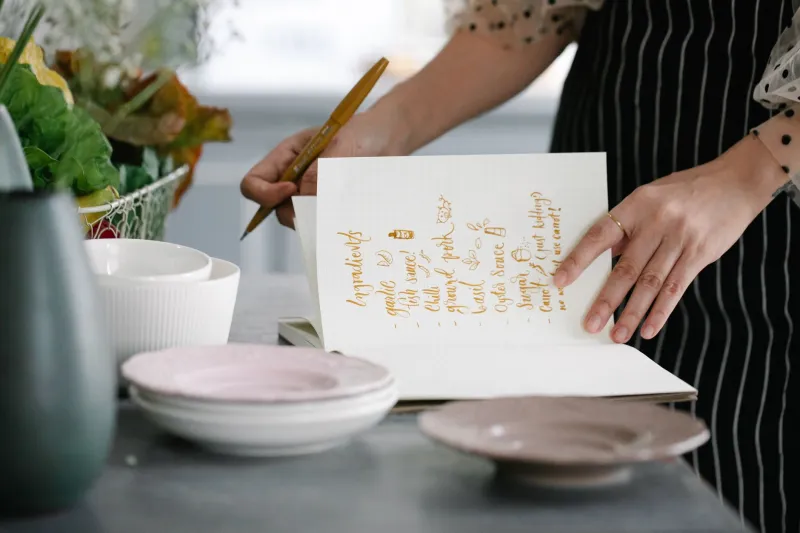
Keep notes. Serious notes. Date your tests, write down every change you made, and record your reaction. "Closer on texture but still missing something in the flavor" is useful information. "Needs more vanilla or maybe a different spice" gives you your next test.
This process can take weeks or months. That's okay. Some of the most meaningful things in life take time to get right.
When You're Missing Key Information
Sometimes you genuinely don't have enough to go on. The dish is too vague in your memory, or it was something so specific that no comparable recipe exists. Here are a few strategies for those moments:
Reach out to culinary historians. Organizations like the Southern Foodways Alliance or local food history groups sometimes have resources or contacts who specialize in regional American recipes. Don't underestimate what a food historian can tell you about what home bakers in a specific region were making in a specific decade.
Try professional recipe developers. There's a small industry of people who specialize in recipe recreation and reverse engineering. If the dish is important enough to you, it might be worth the investment.
Let go of perfection. This one's hard. The recipe you recreate will almost certainly not be identical to what you remember. It can't be — memory itself transforms over time, and the emotional weight of the original experience is part of what made it taste so good. What you're really building is something new: a bridge between then and now, made with love and intention. That has its own kind of value.
Write It Down This Time
When you land on a version that feels right — that makes someone in your family close their eyes and say yes, that's it — write it down. Properly. With weights and temperatures and timing and all the little notes about what makes it work.
And then share it. Make it at holidays. Teach your kids how to make it. Tell the story of where it came from and how long it took to find it again.
At Bill Baker's, we believe that baking is one of the most direct ways we have of connecting to the people we've loved and lost. A recipe isn't just instructions — it's a form of memory, a way of keeping someone present in your kitchen long after they're gone. The work of recovering it is hard. It's also one of the most worthwhile things a baker can do.