Your Flat Cake Is Trying to Tell You Something: How to Turn Baking Mistakes Into Real Skills

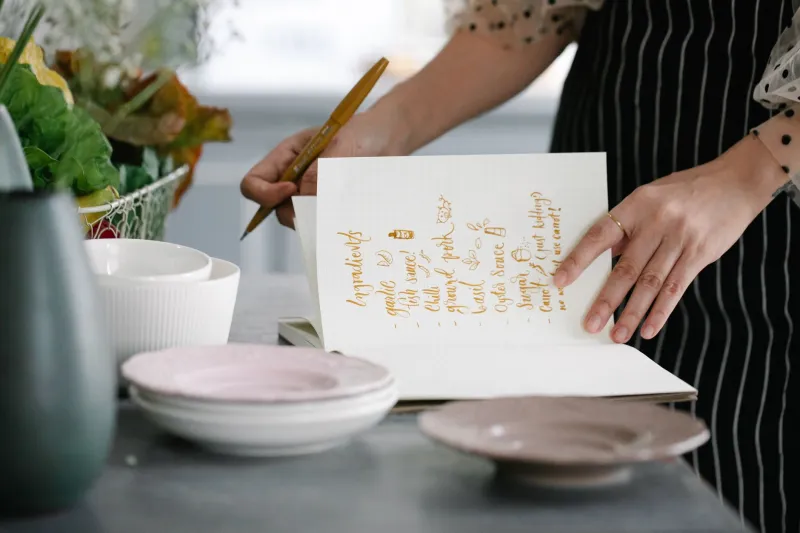
Photo: home baker writing notes next to imperfect baked goods on kitchen counter, via blog.puls.com
Somewhere in America right now, someone is staring at a collapsed soufflé or a loaf of bread that came out more like a frisbee than a boule, and they're convinced they just don't have the baking gene. They're about to close the recipe tab, push the disaster into the trash, and maybe not try again for a while.
That's a shame. Not because failure is fun — it isn't — but because that collapsed soufflé just handed them some of the most useful information they'll ever get about how heat, eggs, and timing actually interact. They're throwing away the lesson along with the bake.
Here at Bill Baker's, we think about baking as something you build over time, not something you either have or you don't. And one of the most underrated tools in that building process? The mistake.
Why Professionals Don't Actually Fear the Fail
Spend any time around a working pastry kitchen or a serious test kitchen and you'll notice something: failed batches don't trigger panic or embarrassment. They trigger questions. A batch of croissants that didn't laminate properly becomes a conversation about butter temperature and fold technique. A cake that sank in the middle gets pulled apart — literally — to look at the crumb structure and figure out whether it was underbaked, overmixed, or undermeasured on leavening.
This isn't because professional bakers are emotionally detached from their work. It's because they've learned, through repetition and mentorship, that a bad result is always caused by something specific. And if it's caused by something specific, it can be understood. And if it can be understood, it won't happen the same way twice.
That's the mental shift that separates someone who bakes occasionally from someone who gets genuinely better over time.
The Problem With How Most Home Bakers Process Mistakes
Most of us were never taught to analyze a bake. We were taught to follow a recipe, and when it didn't work, to assume we did something wrong without figuring out what. So we try again, maybe more carefully, and either get lucky or repeat the same mistake without realizing it.
This is a frustrating loop, and it's not your fault — it's just the way most recipe culture works. Recipes give you steps, not understanding. They tell you what to do, not why. So when something goes sideways, you don't have a framework for diagnosing it.
The good news is that framework isn't complicated. You just have to build the habit of using it.
Treat Every Bake Like an Experiment Worth Documenting
This is the single most impactful change you can make: write things down. Not a full lab report, just a few quick notes before, during, and after you bake.
Before you start, note the date, the recipe source, any substitutions you made, the weather if it's relevant (humidity genuinely affects baking), and the condition of your ingredients. Is your butter at room temperature or did you forget to pull it out in time? Is your baking powder fresh? These details feel minor until you're trying to figure out what went wrong.
During the bake, note actual times versus recipe times, how the dough or batter looked and felt, and any moments where something seemed off.
After, describe the result honestly. Not just "it didn't work" but what specifically was wrong. Dense? Gummy? Flat? Dry? Burnt on the outside and raw in the middle? The more specific you are, the more useful the information becomes.
Building Your Mistake Decoder
Most baking problems fall into recognizable patterns. Here's a starter guide to reading what your results are telling you:
Dense, heavy bread or cake — Often a leavening issue (expired baking powder or soda, wrong amount) or overmixing, which overdevelops gluten in recipes that shouldn't have it.
Sunken center — The bake wasn't finished. Either pulled too early, or oven temperature was too high outside and the center couldn't set before the crust formed.
Tough, chewy texture in something that should be tender — Too much gluten development. This usually comes from overmixing or using a higher-protein flour than the recipe intended.
Spread too much (cookies, specifically) — Butter too warm, too much sugar, not enough flour, or the dough wasn't chilled before baking.
Dry and crumbly — Overbaked, or the fat-to-flour ratio was off. Sometimes a measuring error (flour packed into the cup instead of spooned and leveled).
Pale and uneven browning — Oven running cooler than the dial says, or baked on a light-colored pan that reflects heat instead of absorbing it.
None of these diagnoses require a culinary degree. They just require you to look at what happened and match it to a cause.
The Recipe Journal You'll Actually Use
You don't need a fancy system. A simple notebook kept near your mixing bowls works fine. Some bakers use a notes app on their phone. Others photograph their results — both the good and the bad — with a quick caption about what they noticed.
The format matters less than the consistency. After a few months of noting your results, patterns emerge. You'll start to notice that your oven runs hot on the right side, or that you consistently undermeasure vanilla, or that your bread always comes out better on dry days. That kind of self-knowledge is worth more than any single recipe tip.
Reframing the Emotional Side of Failure
Let's acknowledge something real: baking takes time, costs money, and often involves making something for people you care about. When it goes wrong, it stings. That's legitimate.
But there's a version of that disappointment that motivates and a version that discourages. The difference is mostly about what story you tell yourself afterward. "I'm bad at this" is a dead end. "That didn't work and here's what I think happened" is a starting point.
America has a rich tradition of home bakers who learned through exactly this kind of persistence — grandmothers who made the same pie crust dozens of times before it clicked, bread bakers who went through bag after bag of flour before their loaves had the right spring. The difference between them and someone who quit isn't talent. It's the willingness to stay curious about what went wrong.
The Compound Effect of Intentional Learning
Here's what nobody tells you about learning to bake: it compounds. Every mistake you properly understand removes a variable from your future failures. Over time, the number of things that can go wrong in your kitchen gets smaller and smaller, because you've already met those problems and solved them.
Professional bakers aren't good because they never fail. They're good because they've failed so many times, with enough attention, that most of the common failure modes are just no longer part of their experience.
That same arc is available to anyone willing to look at a bad bake and ask, genuinely and without judgment: okay, what are you trying to tell me?
Your flat cake knows something. It's worth finding out what.