Someone Gave You Their Starter — Now What? The Real Guide to Adopting Another Baker's Sourdough
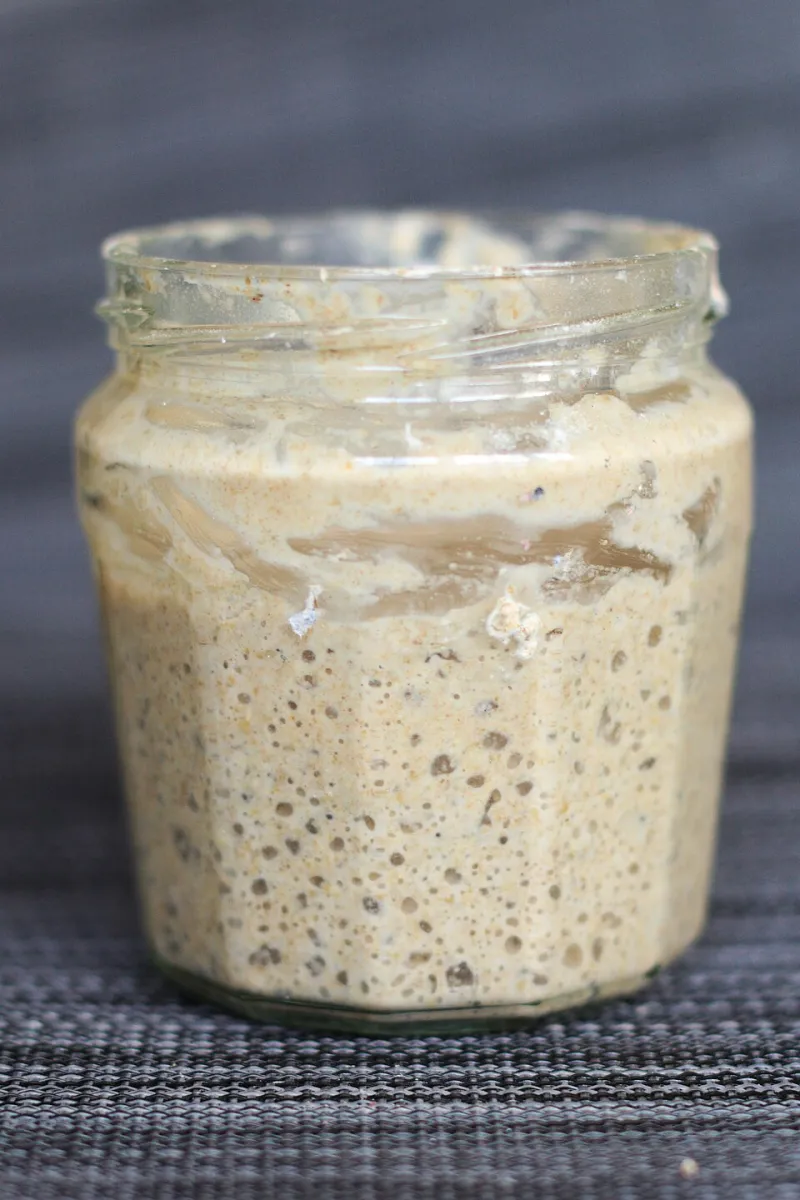
Photo: Jeuwre, CC BY-SA 4.0, via Wikimedia Commons
There's something genuinely sweet about a baker sharing their sourdough starter. It feels like being handed a family heirloom — a little jar of something alive, carefully tended, passed from one set of hands to another. Your friend probably raved about it. Maybe they showed you photos of their towering, open-crumbed loaves. Maybe they told you this starter is "bulletproof" or that it's been going strong for years.
And then you get home, follow their instructions, and... nothing works quite right.
The starter seems sluggish. Your bread comes out dense. The flavor is off. You start to wonder if you're just bad at this — or worse, if you somehow killed something that survived years in your friend's kitchen.
Here's the thing: you probably didn't kill it. You just moved it to a completely different world.
A Starter Is a Product of Its Environment
Sourdough starter isn't just flour and water. It's a living ecosystem — a carefully balanced community of wild yeasts and lactic acid bacteria that has adapted, over time, to one specific kitchen. Your friend's tap water. Their ambient temperature. The particular brand of flour they use. Even the humidity in their home plays a role.
When you move that culture to your kitchen in a different city, with different water chemistry, different seasonal temperatures, and probably different flour, you're essentially asking a community of microorganisms to immediately thrive in a foreign environment. Some of them will. Some won't. The balance shifts, sometimes dramatically, and that's where the trouble starts.
This isn't a flaw in the starter. It's biology doing exactly what biology does.
The Water Problem Nobody Talks About
Tap water is one of the most overlooked variables in sourdough baking, and it varies wildly across the US. Water in Phoenix is heavily chlorinated and mineral-dense. Water in Seattle tends to be softer. Water in parts of the Midwest can carry chloramine — a disinfectant that's harder to off-gas than regular chlorine and genuinely hostile to the microorganisms in your starter.
If your inherited starter is acting sluggish or failing to rise predictably, switch to filtered water or leave a container of tap water uncovered overnight before using it. That simple change alone has rescued more than a few struggling starters.
Temperature Is the Hidden Dial
Your friend might feed their starter in a 72°F kitchen without a second thought. If your apartment runs warmer — especially in summer months — that same feeding schedule will produce a starter that peaks fast, then crashes before you're ready to bake. Feed it too late in that cycle and you're working with an exhausted culture.
Conversely, if your kitchen runs cooler, the starter will move slowly. What your friend describes as an 8-hour rise might take 12 to 14 hours in your environment. That's not failure — that's physics.
Get a simple kitchen thermometer and start noting where your starter actually lives during the day. If your counter runs below 68°F, try placing the jar near your oven's pilot light or on top of the refrigerator, where ambient warmth from the compressor can give it a gentle boost.
Flour Preferences Are Real
Starters develop preferences — or more accurately, the microbial communities inside them adapt to the nutrients available in whatever flour they've been eating. A starter that's been fed King Arthur bread flour for two years has a different internal balance than one that's been raised on Bob's Red Mill whole wheat.
When you switch flour types abruptly, even to something you'd consider "better," you can temporarily disrupt that balance. If your friend used all-purpose and you're feeding with bread flour, or vice versa, give the starter a few weeks to adjust before you judge its performance. You can also try feeding with a small percentage of whole wheat or rye flour — both are rich in wild yeast and can help revive a culture that's struggling to find its footing.
The First Two Weeks Are a Transition Period, Not a Test
This is probably the most important mindset shift you can make when adopting someone else's starter: the first couple of weeks are not a fair representation of what this culture can do in your kitchen. It's acclimating. The microbial population is reorganizing. The strains that thrive in your environment are starting to dominate, while others recede.
During this period, you might see inconsistent rise times, unusual smells (more acidic than expected, or almost too mild), and a texture that doesn't quite match what your friend described. Keep feeding it. Keep notes. Don't panic.
A good rule of thumb: feed it once a day at the same time, watch how long it takes to peak (maximum rise before it starts to fall), and use that observation to calibrate your baking schedule. After two weeks, you'll start to see patterns emerge.
When to Actually Worry
Most starter drama is adaptation, not disaster. But there are a few signs worth taking seriously:
- Pink or orange streaks: These indicate bacterial contamination. Start fresh — this one isn't salvageable.
- Fuzzy mold growth (not just a gray or brown liquid layer on top, which is normal hooch): Discard and start over.
- No activity whatsoever after two full weeks of consistent feeding: Try a feeding ratio of 1:1:1 (starter:flour:water by weight) with a mix of all-purpose and whole wheat flour, and move it somewhere consistently warm for 24 hours. If there's still zero movement, the culture may not have survived the transition.
A thin liquid layer on top (hooch) and a slightly grayish color between feedings? Totally normal. Pour off the liquid, feed it, and keep going.
Making It Yours
Here's the part nobody tells you when they hand you that jar: the goal isn't to replicate your friend's starter forever. The goal is to develop your starter — one that's adapted to your water, your flour, your kitchen climate, and your schedule.
Within a month or two of consistent care, the culture your friend gave you will have transformed into something genuinely local to your home. The wild yeasts from your environment will have joined the community. The flavor profile will shift slightly. The timing will be yours.
That's not a failure of the gift. That's the gift doing exactly what living things do — it's becoming part of your kitchen.
So don't give up on it too fast. Feed it patiently, pay attention to how it behaves in your specific space, and trust that the adjustment period is temporary. The loaves are coming. They just need a little time to find their footing in a new home — same as the rest of us.