Cold Storage, Warm Results: Building a Freezer System That Actually Works for Bakers

Most of us have done it. You make a double batch of cookie dough on a Sunday afternoon, feel pretty good about yourself, wrap the extra in plastic, and shove it toward the back of the freezer. Three weeks later, you pull it out expecting magic. What you get instead is something that bakes up flat, tastes faintly of freezer, and leaves you wondering if you did something wrong.
You did — but it's not what you think. The dough itself wasn't the problem. The problem was the strategy, or rather, the complete absence of one.
Freezing is a genuinely powerful tool for home bakers. It can save you time, reduce waste, and in some cases actually improve your final product. But it operates according to its own set of rules, and when you ignore those rules, your freezer becomes less of a backup plan and more of a slow-motion saboteur.
What Freezing Actually Does to Your Baked Goods
Let's start with the science, because once you understand what's happening inside that frozen lump of dough, the practical fixes make a lot more sense.
When water freezes, it doesn't just stop — it expands and forms crystals. Inside dough or a finished bake, those ice crystals form within and around the gluten network, the very structure that gives your bread its chew and your cake its crumb. Large crystals — the kind that form when something freezes slowly — are particularly destructive. They puncture cell walls, tear through gluten strands, and when everything thaws, that damaged structure releases moisture in ways it wasn't designed to.
The result? Dense bread. Gummy muffins. Cookies that spread too fast because the fat-and-flour matrix has been compromised before the dough even hits the oven.
Freezer burn is a related but separate problem. It's not actually burning — it's dehydration. When packaging isn't airtight, moisture migrates from the surface of your food toward the drier freezer air, leaving behind those chalky, grayish patches. The flavor loss that comes with freezer burn isn't just about texture; volatile aromatic compounds in your dough — the ones responsible for that warm, yeasty, buttery smell — escape along with the moisture.
And then there's the stale taste. Even well-packaged items can develop off-flavors over time through a process called lipid oxidation, where fats slowly break down in the presence of oxygen. It's subtle at first, but by the six-week mark, it's unmistakable.
Fast Freeze, Smart Package: The Two Rules That Fix Most Problems
If you take nothing else from this article, take these two things: freeze fast, and seal tight.
Freezing quickly means smaller ice crystals, which means less structural damage. The fastest way to do this at home is to spread items out on a sheet pan — unwrapped — and let them freeze solid before packaging. This is called a flash freeze, and it works for cookie dough balls, shaped rolls, muffin batter in a silicone tray, even sliced quick bread. Once solid, transfer everything to airtight packaging and get it sealed.
For packaging, plastic wrap alone isn't enough for anything you plan to keep longer than a week. The gold standard is a double layer: wrap tightly in plastic wrap first, then place inside a zip-top freezer bag with as much air pressed out as possible. If you have a vacuum sealer, this is exactly the situation it was designed for. Label everything with the date and contents — yes, even if you're sure you'll remember. You won't.
The Freezer-Friendly List (And the Items That Don't Belong There)
Not everything freezes equally well, and part of building a smart system is knowing which recipes to freeze before baking, which to freeze after, and which to just not bother with at all.
Best frozen unbaked:
- Cookie dough (portioned into balls)
- Pie and tart shells (shaped in the pan)
- Yeasted rolls and enriched doughs (after shaping, before the final proof)
- Biscuit dough (cut and ready to bake)
- Scone dough (same approach as biscuits)
These items benefit from being baked fresh from frozen, or after a brief thaw. Yeasted doughs in particular often produce excellent results after a slow, cold proof in the fridge overnight — the extended fermentation can actually deepen flavor in a way that rushed room-temperature proofing doesn't.
Best frozen after baking:
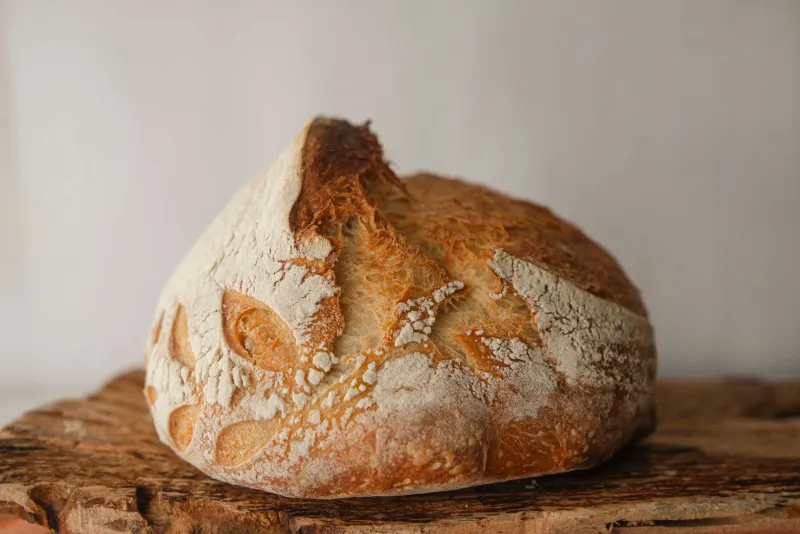
- Sandwich bread and sourdough loaves (sliced for convenience)
- Brownies and bar cookies
- Muffins and quick breads
- Unfrosted layer cakes
- Cookies (already baked)
For loaves, freezing individual slices and toasting directly from frozen is a genuinely excellent approach — you get fresh-tasting bread on demand without thawing an entire loaf.
Freeze with caution:
- Custard-based items (quiche, cream pies) — the filling can weep and separate
- Anything with a crisp crust (croissants, cream puffs) — they go soft and require a hot oven rescue
- Frosted cakes — buttercream freezes reasonably well, but cream cheese frosting can turn grainy
Don't bother freezing:
- Meringues
- Anything with fresh fruit folded in (the fruit releases too much liquid on thawing)
- Gelatin-set desserts
Timing Is Everything
Even with perfect packaging, time is working against you. Here are realistic windows to keep in mind:
- Cookie dough and shaped rolls: up to 3 months
- Baked bread and muffins: 2 to 3 months
- Pie dough and biscuit dough: up to 2 months
- Unfrosted cakes: 2 to 3 months
- Enriched doughs (brioche, cinnamon roll dough): 1 to 2 months for best results
Beyond these windows, safety isn't usually the issue — quality is. Think of these as flavor expiration dates, not food safety ones.
Thawing Without Wrecking Everything
How you thaw matters just as much as how you freeze. The worst thing you can do is leave something on the counter to thaw at room temperature for hours, especially with egg- or dairy-rich items. The outside warms up and starts to deteriorate while the inside is still frozen solid.
For most baked goods, an overnight thaw in the refrigerator is ideal. It's slow, controlled, and keeps everything at a safe temperature. For cookie dough balls, you can often bake them straight from frozen — just add a couple of minutes to your bake time and watch for the edges to set. For shaped yeasted doughs, pull them from the freezer the night before and let them thaw and proof slowly in the fridge, then bring to room temperature before baking.
Building the System
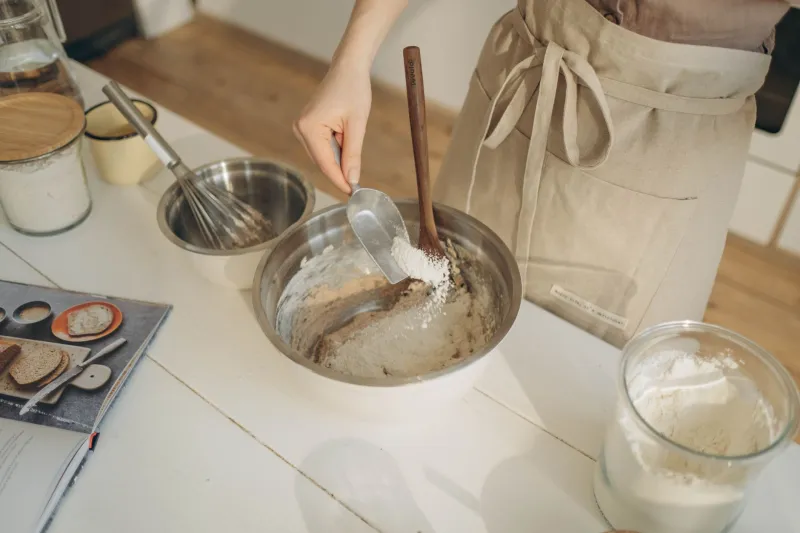
A freezer strategy isn't just a list of rules — it's a habit. The bakers who use their freezers most effectively tend to do a few things consistently: they batch-prep on weekends, they label everything, and they do a quick monthly audit to rotate older items to the front.
Think of your freezer as a pantry extension, not a holding cell for things you'll deal with later. With a little planning, it becomes one of the most useful tools in your baking kitchen — one that lets you show up with something genuinely good on a Tuesday night without starting from scratch.
The goal was never to freeze baked goods. The goal was to have great baked goods, whenever you need them. The freezer is just how you get there smarter.