The Real Price of 'Free' Bread: What Keeping a Sourdough Starter Actually Costs You
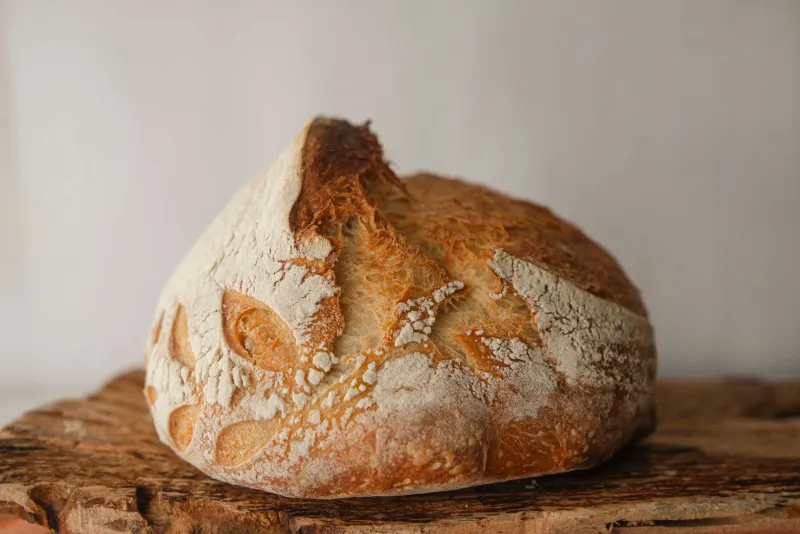
There's a story that gets passed around in baking circles like a warm loaf at the dinner table. It goes something like this: someone hands you a little jar of bubbling starter — maybe it's a friend, maybe it's a neighbor, maybe you grew your own from scratch — and from that moment on, you have an endless, essentially free source of leavening. No more packets of instant yeast. No more grocery store runs. Just you, your flour, your water, and a living culture that keeps on giving.
It's a beautiful story. It's also, if you dig into the numbers, a little misleading.
That starter isn't free to keep alive. It never really was. And while we're not here to talk you out of your sourdough practice — we love a good naturally leavened loaf as much as anyone — it's worth taking an honest look at what year-round maintenance actually costs before you convince yourself you're saving money.
The Flour Bill Is the Big One
Let's start where most of the expense lives: the flour.
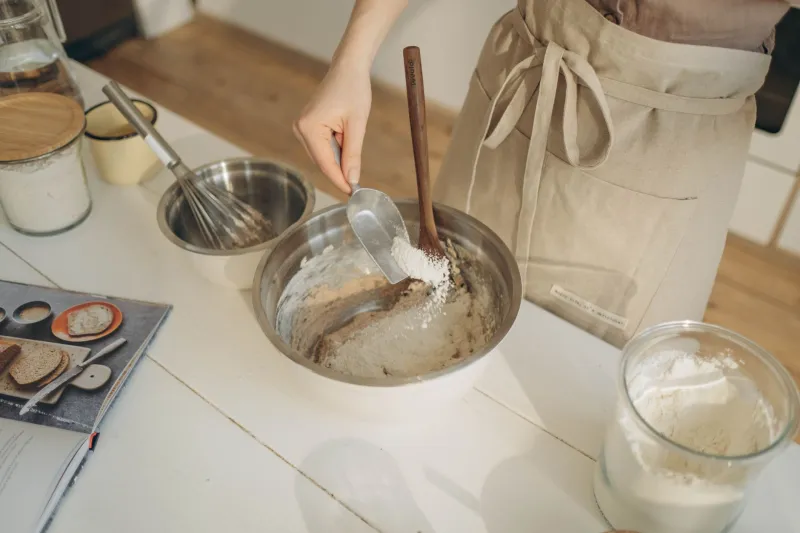
A standard home baker feeding schedule typically calls for discarding a portion of the starter and then refreshing what's left with equal parts flour and water by weight. If you're keeping a 100-gram starter and feeding it a 1:1:1 ratio (starter : flour : water), that's 100 grams of flour per feeding. Feed it once a day — which is pretty common when a starter is stored at room temperature — and you're going through roughly 700 grams of flour per week just on maintenance. That's close to 36 pounds of flour a year, and that's before you bake a single loaf.
Now, if you're using basic all-purpose flour at around $0.50 to $0.70 per pound, you're looking at somewhere between $18 and $25 a year just in feeding flour. Not devastating, but not nothing either. If you've convinced yourself that whole wheat or rye flour encourages better fermentation activity (and there's real science behind that), and you're buying those at $1.50 to $2.00 per pound, your annual flour tab for starter maintenance alone can push past $70.
And that's assuming you're being disciplined about your feeding ratios. A lot of home bakers aren't — they eyeball it, they overfeed when they feel guilty for neglecting the jar, and they end up going through flour faster than they realize.
What Happens to the Discard?
Here's where the math gets more nuanced. Discard isn't necessarily waste — if you're using it. Sourdough discard pancakes, crackers, pizza dough, muffins: there's a whole universe of recipes designed specifically to put that excess culture to work. If you're baking with your discard regularly, you're genuinely offsetting some of that flour cost by replacing other ingredients you'd otherwise buy.
But if you're tossing the discard every time — either because you don't have a plan for it or because you're just not in a baking headspace that week — then you're literally throwing flour down the drain. Over the course of a year, that adds up to a surprising number of pounds of flour that never became anything edible.
The honest question to ask yourself is: how often are you actually using your discard versus composting it or tossing it? Your answer probably determines whether starter maintenance is a genuine value-add or just an ongoing expense with occasional benefits.
The Cold Storage Question
One of the most practical moves a home baker can make is shifting their starter to refrigerator storage. A cold starter slows down dramatically and typically only needs feeding once a week instead of daily. That one change cuts your flour consumption by roughly 85 percent and makes the whole enterprise significantly more economical.
But refrigerator storage isn't without its own costs. Your fridge is running 24/7 anyway, so a single jar of starter isn't meaningfully impacting your electricity bill. However, if you've got multiple starters going — a white flour version, a whole wheat version, maybe a rye starter you've been experimenting with — those jars take up real estate in a refrigerator that has other jobs to do. It's a soft cost, but it's worth acknowledging.
Some bakers in warmer climates also run into the issue of their kitchen being too warm for comfortable room-temperature storage, especially in summer. If you're running a window unit or central air specifically to keep your starter happy during a Texas July, that's a real, if indirect, energy cost attached to your bread-making hobby.
Jars, Lids, and the Small Stuff
This one surprises people. A good wide-mouth quart mason jar is the gold standard for starter storage, and they're not expensive individually — maybe $2 to $3 per jar. But lids wear out, rubber seals degrade, and if you're the type who keeps a backup starter or mails cultures to friends (a very real and very wholesome thing that sourdough people do), you go through jars more than you'd expect.
There's also the rubber band or tape and marker system most bakers use to track rise levels — minor, sure, but it's part of the ecosystem. Add in the occasional bottle of starter-specific tools like a Danish dough whisk or a proofing container, and you've got a small but steady stream of supply costs that don't make headlines but quietly accumulate.
Making It Actually Worth It
None of this is meant to be discouraging. Sourdough is genuinely rewarding — the flavor complexity you get from a well-maintained culture is something commercial yeast simply can't replicate, and there's a real sense of satisfaction in baking bread from something you've kept alive through seasons and moves and life changes.
But getting real value from your starter means being intentional about how you maintain it.
Keep less of it. Most home bakers maintain far more starter than they actually need. A 50-gram working starter is plenty for most baking schedules, and cutting your starter volume in half immediately cuts your feeding flour in half.
Go cold when you're not baking. If you're not baking every week, there's no reason your starter should be living on your counter. Refrigerator storage is low-maintenance and dramatically cheaper.
Actually use your discard. Build a rotation of discard recipes you genuinely enjoy and cook from them regularly. Discard crackers take 20 minutes and are genuinely delicious — there's no reason that flour should be going in the trash.
Audit your flour choice. A small amount of rye or whole wheat flour added to an all-purpose feeding can boost activity without requiring you to use the pricier specialty flours for the entire feeding.
The starter that costs you the most is the one you're maintaining out of obligation rather than enthusiasm — the one you feed dutifully but never quite get around to baking with. That's the scenario where the math really doesn't work in your favor.
The starter that's worth every penny is the one sitting on your counter because you baked with it last Tuesday and you're already planning what you're going to make with it this weekend. That's when 'free bread' starts to feel like the real thing.