Same Recipe, Different Results: Chasing the Variables That Change Every Bake

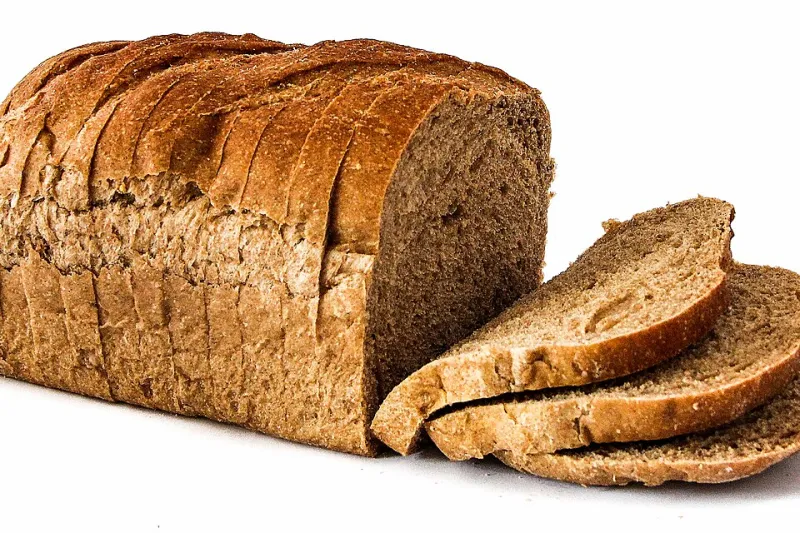
Photo: Unknown authorUnknown author, Public domain, via Wikimedia Commons
You pull the loaf out of the oven, and something's off. Not dramatically wrong — just a little denser, a little less golden, a little more meh than the last time. The recipe hasn't changed. Your technique felt the same. So what happened?
Welcome to what a lot of bakers quietly call "the curse" — the frustrating reality that baking is never quite as reproducible as a recipe card makes it seem. You can follow the same instructions to the letter and still get a different result every single time. And here's the thing: that's not a personal failure. It's science.
Let's talk about why.
Your Kitchen Is Not a Laboratory
Professional food scientists develop recipes under controlled conditions — consistent temperature, filtered water, calibrated equipment, standardized ingredients. Your kitchen has none of that. What it has is weather, humidity, a tap that runs from a municipal system with varying mineral content, and a bag of flour that's been sitting open since last month.
Every one of those factors influences your bake. Not always dramatically, but consistently enough to create the kind of variation that drives detail-oriented home bakers absolutely crazy.
The good news? You don't need to control every variable. You just need to understand which ones matter most for your specific recipes.
Water: The Ingredient You Never Think About
Most bakers weigh their flour and measure their butter to the gram, then dump in tap water without a second thought. But tap water is not a neutral ingredient. Municipal water across the United States varies significantly in mineral content — what's called "hardness." Hard water, which is common in places like Phoenix, Dallas, and much of the Midwest, contains higher concentrations of calcium and magnesium.
In bread baking, mineral content affects gluten development and yeast activity. Hard water can actually strengthen gluten and slow fermentation slightly. Soft water does the opposite. If you've ever baked the same bread recipe at a friend's house and gotten weirdly different results, water is often the culprit.
For most home bakers, switching to filtered water or even bottled water creates a more consistent baseline. It's a small change with a surprisingly noticeable impact on yeasted doughs in particular.
Humidity and the Flour Problem
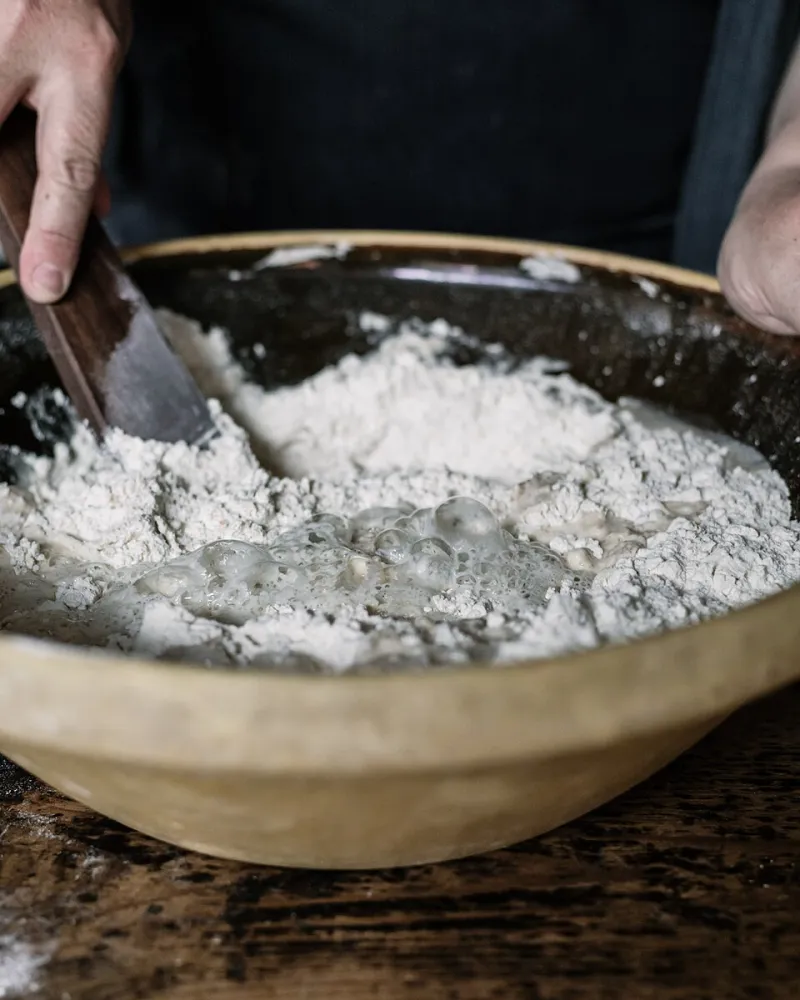
Flour absorbs moisture from the air. That's not a quirk — it's chemistry. On a humid summer day in Atlanta or Houston, your flour may already be holding onto ambient moisture before you even scoop it. On a dry winter day in Denver or Minneapolis, the same flour is thirstier than usual and will pull water from your dough aggressively.
This is why recipes developed in one region sometimes behave strangely in another. A cookie recipe perfected in San Francisco might spread more than expected in the dry heat of Albuquerque, or come out denser in the sticky air of coastal Florida.
The fix isn't complicated, but it does require you to stop treating flour additions as fixed numbers. Learn to read your dough by feel. If a bread dough feels tight and stiff on a dry day, add a tablespoon of water. If cookie dough feels sticky and loose on a humid day, add a bit more flour. The recipe is a starting point, not a contract.
The Age of Your Eggs (Yes, Really)
Fresh eggs and older eggs behave differently in baking, and it's not just about whether they're still good to eat. Fresh egg whites are thicker and hold their structure better when whipped. Older egg whites are more watery and actually whip up to a higher volume — which is why older eggs are sometimes preferred for meringues.
Yolks change too. Fresh yolks are more spherical and firm, while older ones are flatter and more prone to breaking. In recipes where emulsification matters — think custards, aiolis, or enriched doughs — the age of your eggs can shift the texture in ways that are hard to pinpoint if you're not looking for it.
When consistency really matters, buy eggs from the same source and try to use them within a similar window every time.
Butter Temperature Is More Specific Than You Think
Recipes say "room temperature butter" like that's a fixed thing. It's not. Room temperature in a 68°F kitchen in January is different from room temperature in a 78°F kitchen in August. Butter that's too cold won't cream properly and will leave you with a dense, lumpy batter. Butter that's too warm goes greasy and can cause cookies to overspreads and cakes to sink.
The target for most creaming applications is butter around 65–68°F — pliable enough to hold an indent when pressed but not so soft it looks shiny. In summer, this might mean only leaving butter out for 20 minutes. In winter, it might take two hours. Use an instant-read thermometer if you're serious about consistency.
Building Your Own Variable Log
Here's a practical approach that serious home bakers swear by: keep a simple baking journal. Not a fancy one — just a notepad or the notes app on your phone. Every time you bake, jot down the date, the weather (roughly), what tap or filtered water you used, and anything that felt different during the process.
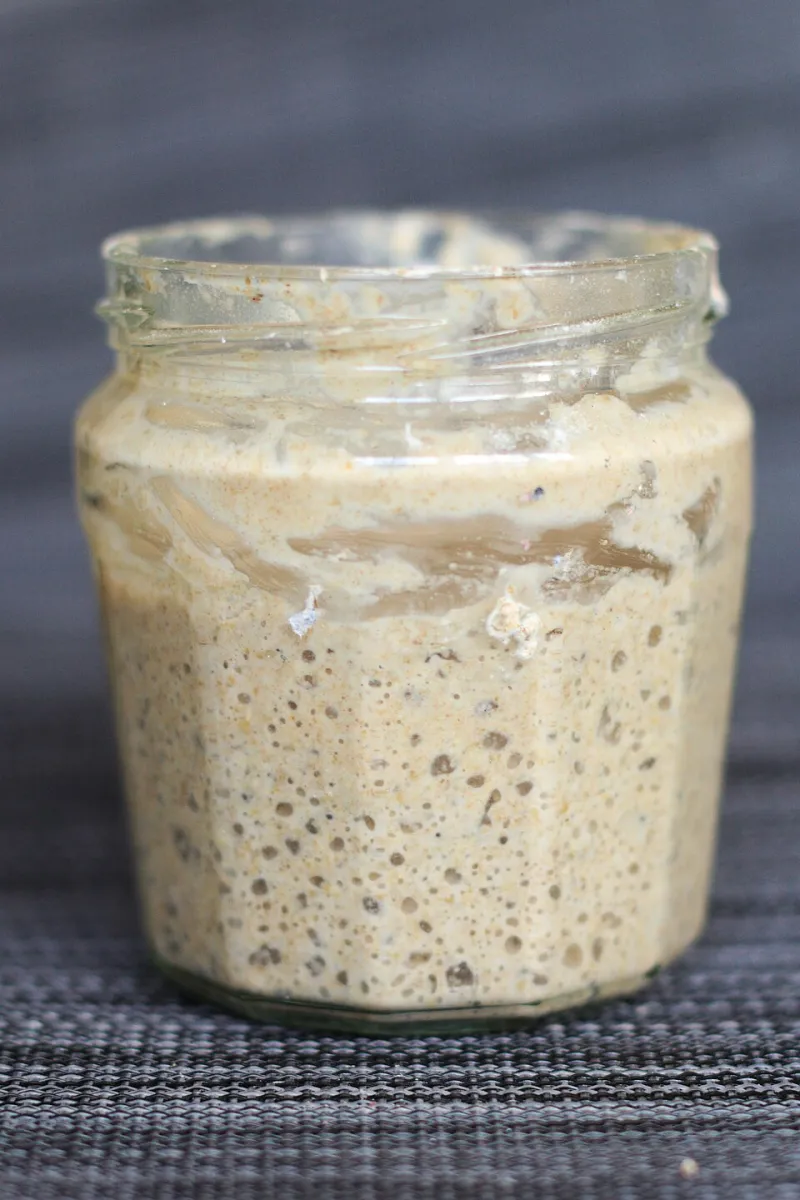
After a few rounds of the same recipe, patterns emerge. You'll start to see that your pie crust always gets tough on humid days, or that your sourdough takes longer to rise in January. That information is gold. It lets you make small, targeted adjustments instead of overhauling a recipe that was never actually broken.
Stop Chasing Perfect Consistency — Chase Understanding Instead
Here's the honest truth: perfect reproducibility in a home kitchen is a myth. Even professional bakers in commercial settings deal with batch variation. The goal isn't to eliminate variables — it's to understand them well enough that your results land in an acceptable range every time.
When a bake comes out a little different, resist the urge to immediately change the recipe. Instead, ask what was different about the conditions. Was it humid? Did you use a new bag of flour? Were the eggs straight from the fridge? Nine times out of ten, the recipe is fine. The variables just shifted.
Baking is a conversation between your recipe and your environment. The more fluent you get in that language, the better your results — even on the days when everything seems to be working against you.